
In Conversation with Fetch Tiger
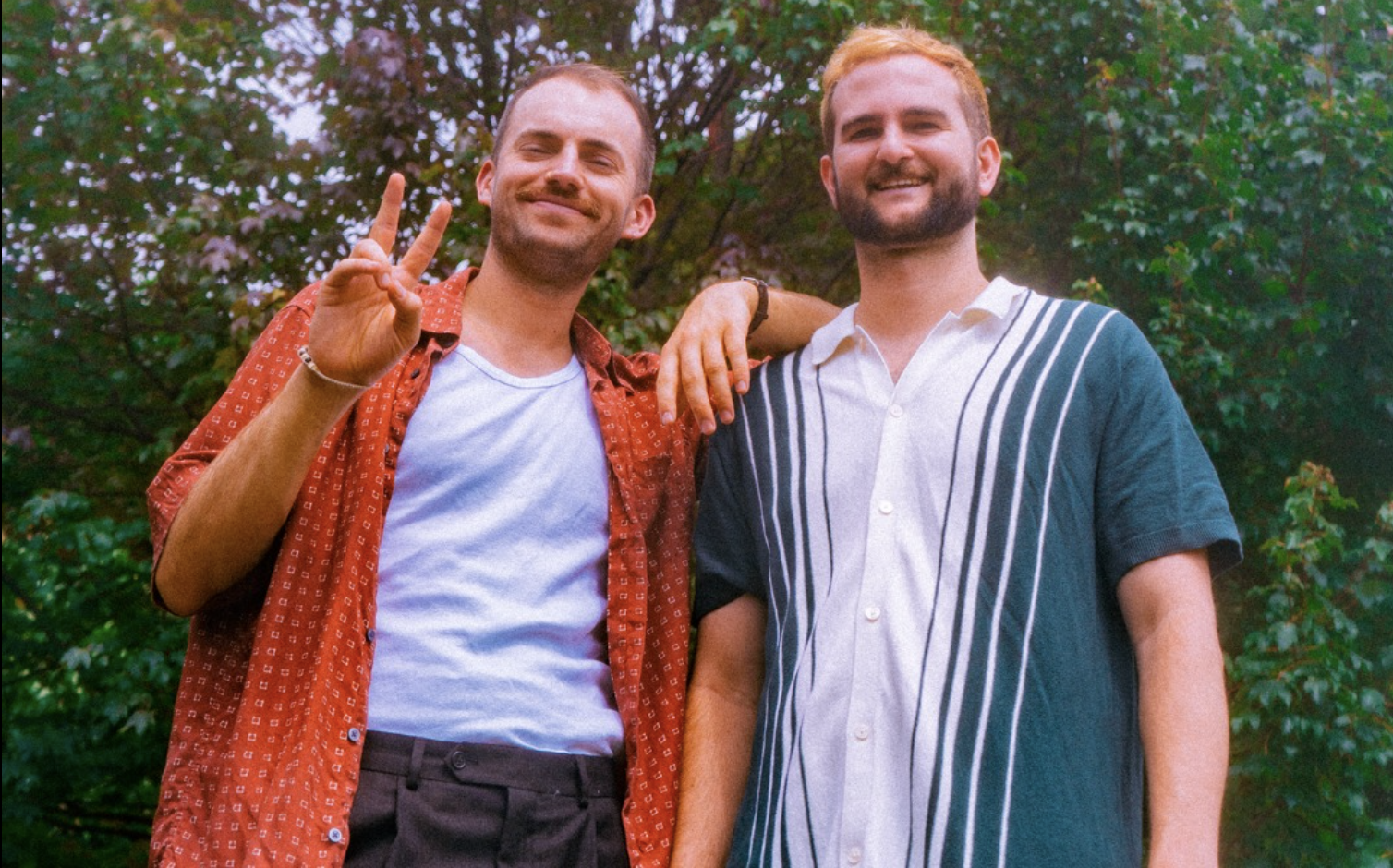
WLUW's Betty Kifle sits down with Tanner Davis and Lorenzo Montali of Fetch Tiger.
00:00:02 Betty
May I have your consent to record?
00:00:05
Yes.
00:00:12 Betty
OK, first, welcome to the WLUW studio. I wanted to congratulate you guys personally on the release of your first debut album and it must be very exciting. How does it feel to have your first album released?
00:00:25 Tanner Davis
Yeah I mean, I think for us it was like a culmination of many years of finding our sound and finding the right people to help us bring our vision to life. So I think it was just a nice release of kind of our first big, big moment as a band to the, to the listener. So I think it was just a really awesome not only like from the Sonic Music, the music side, but also like the visual element too. I think it paired really well and I think I don't know not to speak on behalf of all of us, but I think it was just an amazing first body of work to put out and we're really proud of it. So yeah, it feels amazing.
00:01:04 Betty
And for the rest of ya’ll?
00:01:05 Lorenzo Montali
Yeah, I think it was the first time that we, like, went into like a writing session with the intention of like we're going to write an album.
00:01:14 Lorenzo Montali
Versus like we're going to write a few songs and then put them together and then it will be in EP. So I think we were like much more intentional about about it. And I think that kind of came through so we're happy with how it came out.
00:01:27 Betty
I'm glad I feel like intentionality with music is much more important in today's culture, especially with the music that is being released now being more formulated with what people want to hear. More so than, are they connecting with the music? And I feel that's an important aspect to have with your music that I also adore. I wanted to ask what was what did their creative process look like working together?
00:01:52 Lorenzo Montali
So for usually for us, like Tanner and I will kind of put together like ideas, either lyrically or like, you know, bases of songs individually. And then we kind of bring it to the rest of the group, whether it's like some of the producers that we work with and then.
00:01:52 Lorenzo Montali
For us, like Tanner and I will kind of put together like ideas, either lyrically or like, you know, bases of songs individually. And then we kind of bring it to the rest of the group, whether it's like some of the producers that we work with and then more recently, we've been recording as like a five piece as well. So we kind of like have found like different pockets of our sound based on how we we do that like when we recorded it with this group it kind of came out a little bit more rockier and guitar driven. When we do work with like certain producers, it comes out more synth driven and so I think that's kind of been, you know, allowed us to kind of explore different areas, which has been fun. And now we're kind of looking forward to like whatever the next thing is, we're kind of figure out like where we want to land next.
00:02:43 Tanner Davis
Yeah, I think I think just as a build on that too. What I think is fun about our sound is that it's while it's evolved a lot over the times we've released our 2 EP's to this album. I think that there are components of it that are very core to our sound. Which I'm if you've listened to any of our work which is you know, on platforms everywhere. And yeah, you can hear it over the years like there's some core elements that I think are red threads throughout everything. So I think even though our sound might be evolving, whether it be by working with the full band or new producers, I think what we love is that there's still that kind of like innately, like, fetch tiger component of our sound, which. Excuse me, we are definitely very trying to keep, keep a grasp of as we as we progress, so yeah.
00:03:33 Betty
I like that. What did you guys have a specific creative direction from your first EP with preparation to pretend and then flamethrower? Was there a specific direction you wanted to go with walking to camera or was it more you wanted to take a different direction but you still wanted to keep that fetch tiger aspect?
00:03:54 Lorenzo Montali
Yeah. I mean, I think like thematically was like the biggest connection between the three, like preparation. Pretend was a lot about, like Imposter syndrome. And like, figuring out like. Like, I guess like, you know, more like hiding in the shadows of, like, trying to find your, your self-confidence and then flame thrower is more about like finding that and then walking the camera kind of is like you know the vision of like somebody walking to the cameras like confidence and like you know you're the star and. And so we want to kind of bring that, like kind of conclusion to that journey from, like preparation to pretend, which was more of the, you know, behind the scenes trying to hide from things versus at the other end of the spectrum, more of that confidence. So I think that was like. In terms of like the highest level like connection between the three that would in my view would be the one.
00:04:45 Tanner Davis
Yeah. And I also think like Lorenzo and I were not, you know, musician, like, we didn't. We didn't go to like music school. We didn't know, like everything about music theory. And so I think we were first trying to build this project. You know from the start we I think we were feeling like you know how where do we fit in this space even though we feel like we have something to say or we have a sound that we really like but not necessarily feeling like we can maybe converse with all these other talented musicians in a way that they have like this really amazing foundation. And so I think that that's kind of where that journey from like initial doubt or imposter syndrome kind of was founded and then I think overtime as we've started to build you know at our sound or bring other people into the project, not just like with musically, but also you know visually like we were saying before, I think it's really helped us find the confidence that you know music can be there's not, there's not one right way to do this and I think. Yeah. It's just I think to Lorenzo’s point like we wanted to kind of put a cap on that overarching journey of you know where we were feeling initially and then kind of like let that be the overarching theme for how we approached that, you know, confident album going forward.
00:06:01 Betty
So in a way, it's also not only in creating music that listeners can connect to, but connecting with your listeners and discerning that you all have started since London to here and creating not only just a conclusion, but more so the past is present, but that’s what's leading you guys to the future now through walking to camera.
00:06:22 Tanner Davis
Yeah. Yeah, exactly. And yeah, we're excited too about the the next iteration of our music musical journey, which will be released sometime next year. But it's. Yeah, I think I think that's exactly the point. We care just as much about what we're saying, what we're singing about and how it sounds, along with, like, the way that it shows up. And I think that, you know, you look at modern musicians today, those are all the different. You can't just be thinking about one of those different touch points. You have to be thinking about it as like a holistic, like artistry. So I think that's something we've been trying to make sure that we. Keep reminding ourselves as we built out the project.
00:07:00 Betty
Yeah. So it's like world building around the music, not just creating it.
00:07:03 Tanner Davis
Almost. Yeah. And I think not to continue on this topic. But like we, we really like the idea that it feels like we're making, like, a movie scene for ourselves. And like, that's kind of in some way shape or form, like, subconsciously the way that the music kind of shows up.
00:07:22 Tanner Davis
If you think about like when you think when you hear some of our songs, you can think like, oh, this feels like it. It's like into a certain type of movie from the 80s or like, you know, we kind of make movie references sometimes with, like, the songs that we are making. And we're like, oh, that's feels like this could have fit in this movie. And I think that kind of felt like, you know, with walking through Camera at all just felt like this weird allegory for.
00:07:42 Lorenzo Montali
Yeah. And our first, our first song ever was called Movie. So, like, Walking Through Camera was kind of like a you know
00:07:50 Betty
Like a parallel back.
00:07:51 Lorenzo Montali
Yeah. Yeah. So I I remember one time I saw, like, you know, Soccer Mommy. She when she writes songs, she envisions, like, what the music video is going to look like, well, as she's writing the lyrics. And so I think there's, like, a similar element of, like, the visual story that we kind of use when we're writing the lyrics or like the trying to to depict the mood of the song with the sounds and stuff. So.
00:08:18 Jared Mathis
Yeah. And I think too like that translates to the live show. You know, like that, that Arch has been mirrored in. Yeah. What the live show has been and that transformation has, like, that energy in the room, really has shifted over time from these different sounds that each you know that come from each of these EPS and the album. Which has been so fun to be, like along that journey and yeah. Excited to like bring that for this tour. We've been working yeah like. Hard and honing. Yeah. What this iteration of performance like sounds like. And we'll feel like for people in the room and yeah, excited to share.
00:09:15 Betty
Wow, that's first of all, amazing. Like the way you guys place that into, like, not only does it connect with you, but how you like put it out there, especially like being able to see their growth and like working together not only just within the music, but working together on yourselves personally, I really respect that.
00:09:34 Tanner Davis
Yeah. Appreciate it. It's been a lot of work.
00:09:43 Betty
Have y'all what was not only with walking to camera but was what is a pivotal moment that you guys experienced where you realized the album was ready to be released. Or like any other pivotal moment, you felt where it was like, oh, this is good. Like, let's keep this going.
00:10:03 Lorenzo Montali
Well, so I think like when we were recording it, we had like a unique situation because we were recorded at Tanner was still living in London at the time. And so Tanner, like, came to Brooklyn, where we recorded the album. We had maybe like 8 days and then Tanner was like had a flight back. So there was like at least for like the actual recording process. We just had to record until we recorded until like the day that you were the hour that you were going to the airport. And so we were kind of like, all right, what's done is done. Like, we're not going to, like, go back a million times and kind of and so that, like, almost forces us to be like, OK, like this is like what we got now, let's like work from there to get the best out of the like in the mixing and all that kind of stuff. So I think we work better when we were like deadlines and stuff. You know, it took us like a couple years to, like put, like, take like a, you know, one of the 35 half written songs and like finish one to like put it out. And so that's something we found is like having the deadline to either, like, you know whether it's writing or like booking a tour or like. Doing whatever we're better at that. Kind of like. So I don't know. For me, there wasn't, like, a moment. It was just like. You know, once we had it down, the album we were just so excited about it that we wanted to, like, get out as quickly as we can so we just like picked a date I think.
00:11:28 Tanner Davis
Yeah. I mean, I think in addition to the time bound restrictions that have like basically forced us to be really ruthless with the way that we like approach the recording process, I think that you know this like we love the songs. And I think honestly for me a pivotal moment for me where I was like oh, this is ready to be released when we actually got the visual like cover art ready to go for our album and like we went, we did this whole photo shoot where basically we had kind of this like silhouette with like a red backdrop which is. Like our cover art. But with all the singles we basically assist. we create all these vignettes of like different, I don't know different sets.
00:12:13 Lorenzo Montali
Different silhouettes like different actions that.
00:12:15 Tanner Davis
Yeah, that maybe represent the tracks, the, the singles. And so I think once we got those back, I was like whoa, this feels like, yeah, there was it's ready to go.
00:12:24 Lorenzo Montali
You know, and I think now is a little bit different because we have an EP ready and we've had it ready for like maybe half a year now and so because we've been, you know, done the first four or five years, like, once we finish it, something we just put it out, we're going. We're trying to be a little bit more strategic about how we put that out and so we're kind of waiting to see what will be the next moment for the release. But so you know, it kind of shifts as we as we get older as a band, you know.
00:12:56 Betty
The beginning till now, what musical inspirations have you all taken with your music, either by specific sounds or artists?
00:13:05 Lorenzo Montali
Let's start from there and bring it around.
00:13:08 Jared Mathis
No. Yeah, well. I mean, personally, I'm. I'm listening to like a lot of Theo Katzman and like, kind of rock Americana like music and. And so that's really like informing my drumming approach. To a lot of these songs. But I'm also like, have been on a real like pop kick lately so like kind of an interesting mix of the like, yeah, pop and fusion into some of these songs.
00:13:54 Bobby Adamson
Yeah. I enjoy like listening and playing all kinds of stuff. I grew up playing really aggressive music, but I also love pop. I'm on like a big R&B kick right now. And that's why, like a lot of these songs are really fun to play. Because the dynamic range is so large. Like you were saying, we have, like kind of a through line, but then we can also explore a lot of different styles and genres so it's really satisfying as a guitar player to be able to bring all of the influences that I've had over the years to these songs that we're playing now.
00:14:30 Brennan Clarke
Kind of the same thing. I listen to and like to play like most kinds of music, but I've been listening to a lot of like all country lately, like MJ Linderman. And it's like friendship and stuff like that. But also like Pops, but indie pop vibes like this kind of stuff. And yeah, whoever will have me, honestly.
00:14:51 Tanner Davis
I think, yeah. I'm, I'm I play the keys and like I'm the synth player for our band so it feels like I tend to skew a bit more towards like the pop indie pop elements and like the bands that. Been kind of references for us previously for some of the tracks have been people like Dayglow or Hers who would have like kind of very pop upbeat but like still a very foundational indie sound. I think one artist that's really kind of cutting through for me currently is Ethel C ane and she is like I think that her songwriting, yeah, like the sound is very different bars very much so, but like the songwriting of her and also like Claro, is also a great songwriter too. I just feel like the way that they approach their like structure and lazy McAlpine, I actually think is also fantastic songwriters. So like all these artists. They don't really abide by like the traditional, maybe like structure of a song potentially. So I think that's where we do get some inspiration from cause I feel like both of us have like the structures of songs that we typically default to. So it's fun to like, learn how to, you know, branch out.
00:15:54 Lorenzo Montali
Yeah, I think I think at the very beginning, like at least in my head, it was like I really wanted to be. Was very inspired by like more like kind of ornate indie folk like Fleet Foxes, like Father John Misty, Andy Shauf kind of like big arrangements and like. Like a lot of stuff that so like a lot of our early stuff is a bit more swooshy and slow and like and now I think I'm more inspired by like kind of more like catchy, like Alice, Phoebe, Lou and like, so a little bit more energy to it. And so I think that kind of like especially in the new EP. That we did recently is like there's a couple of songs that are more in that in that world and less in like not psych, but more, you know, kind of like bigger worlds and more just trying to concentrate it and focus on like, what are the lyrics saying and actually like, understanding them and that kind of more straightforward storytelling, I would say.
00:16:50 Betty
Yeah. And with the storytelling, how do you guys integrate your personal experiences within your music?
00:16:57 Lorenzo Montali
I think that's kind of a like the way we've done has shifted a lot like the first couple EP's. We definitely we're very intentionally like writing like through characters. Like it was kind of maybe our experience or emotions, but like. Talking about like a fake person in like a setting and kind of thing, that's where the movie element Tanner film, you know, kind of film inspired stuff that Tanner was talking about. But this I think this album was the first part where we were really talking like writing about personal experiences where people in our lives like there was a couple songs like our love, was fading and mourning after everything broke that I wrote about like two friends that got divorced at like a very young age. And so that was kind of like a two-part like story that kind of came through. And so I think is that way harder. For me, at least, to write from that, like personal stuff, but like, once you find like a cool idea or like somebody that you want to write to or about like, that's where it flows easily. But just kind of like figure out what that initial topic is so at least for me, I'm like, challenging myself to write more from that versus like the character stuff, which is easier and is cool too, but like feeling less inspired by that right now.
00:18:21 Betty
Would you say that writing your music within a character feels more easier because you were looking at it at looking at the characters from your perspective, but when it comes to personally writing, it's much harder because not only are you integrating your own experiences, but those experiences that are personal also being viewed, interpreted, and absorbed by like not only listeners but viewers when you guys are working on your visuals together. So that takes more, like you can have a drive in writing it, but it also takes vulnerability and security within those experiences.
00:18:53 Lorenzo Montali
Yeah. I think for sure, there's definitely a times where I'm like writing stuff and I think like, you know, what is my what are my parents going to think about this kind of thing Or like you know what if what if the person that I wrote this about finds out that it's about them? Like, how can I, like, handle that kind of thing? But I think it's they won't always find out. But like if they do, maybe it kind of opens up the new type of relationship or like we like fight or you know the first song on the album is about a friend who is struggling with depression for a couple of years and so I think that like song once he figured out that it was once we told him it was about him, we kind of unlocked like another level of friendship. And so I think, you know, it can lead. To like special changes as well, but like you said, it's much scarier at least for me.
00:19:45 Tanner Davis
Yeah, we approach song actually very differently, like Lorenzo, like writes the focus on lyrics, I focus it on the sound I actually find, like writing lyrics is really hard for me personally. Just so you guys know, but I think I think like it's been fun, kind of like pushing each other to try and like adapt to like, the way that we both write because we write so differently. It's like fun to learn from each other. I think personally I used to write just about my own being because I was kind of nervous about, like, writing about my relationships with other people. But I think like walking a camera because I think we have, like, more confidence in our ability to write. Write more generally, I think we feel more confident in the sound I feel like all the songs that you know I personally wrote were about my relationship with pretty much someone else, whether it be like with Lorenzo. But there was a song about me and my relationship with my sister on this track. So, it was just like manifested in a way that I was like, OK, I feel ready to be able to kind of speak from this lens. But I think actually, it takes a certain type of person to be able to write from a character angle because you have to be super creative. Like, you have to be able to kind of see something from a completely sometimes new point of view that you've never even put yourself in so there's, like, a lot of empathy that I think I respect, like that type of songwriting. But it's not something that comes very natural to me. So yeah, but that's why, I guess it kind of works.
00:21:25 Betty
And with that, what is something that you guys learned from working together that since the beginning till now that you didn't like, it's either a skill or maybe it's like aha moment that you guys felt or experience with each other?
00:21:43 Lorenzo Montali
I think I think a lot of learnings for me personally then, like with the live with the live group and like learning to play together and like I remember like when at the very beginning, you know, I kind of like started writing on the first comment fetch tiger stuff before it was even fetch tiger. And then Tanner joined like a couple months later before we put out of the first song. Stuff, but I remember thinking like, oh, like at that point I mentioned earlier, but my my kind of hero at that point was Andy Shauf in terms of his writing. And I know that he, he literally recorded like every single part himself, like played every instrument. And so for some reason that was like, oh, I want to do that, even though I'm not like, necessarily a talented musician. I can. I can play a couple of things, but not like to like-
00:22:29 Tanner Davis
You are a talented musician.
00:22:40 Lorenzo Montali
but in terms of like technical and like I can't play like you know, you can play the clarinet and the bass and the you know I can play guitar and drums kind of thing. So there was like at that point, I realize I'm going to need to like bring other people into this kind of journey. And I think that's more like more the point where that happens most vulnerably is like when you're playing in front of other people. And so like, I learned a lot about like finding people for the band that like, not only that you could are good musicians, but people that you trust and like connect with on a personal level. And so I think like that has been really cool to like be able to trust the guys here to bring that out on stage, you know? So I don't know. What about you?
00:23:21 Tanner Davis
Yeah, I think. I learn every day from them, you know. But I think in addition to kind of like letting go of control, feeling like you need to control everything. I think like for me personally, right.
00:23:33 Lorenzo Montali
Yeah, yeah. That's another way to put it. For me, the better way to put it for me.
00:23:37 Tanner Davis
Right, right. I've been thinking a lot about it for you.
00:23:43 Tanner Davis
Just kidding. Not really, but for me personally it's like I'm not a prolific writer, so like I'll kind of write some, like, focus on one thing at a time. And honestly, it might take a really long time to get something out. And I think for me, it was kind of like, I'm not really sure how this demo sounds like, you know, you're writing this thing, and it doesn't really sound very good like you, you kind of immediately like. You build all this hype around it for yourself, and you bring it into like a room with your producers or in your band mate, and you're like, are they gonna like this? Are they gonna like this? Like, whatever? But I think what I learned is that. But it's not. They're not against you like you're you've built a trust. A group of people that trust you and care for you and you know you might think something's not perfect and you might go in being like it's kind of like when you it's kind of when someone's like, oh, show me that person that you want on a date with for Tinder and you're like, OK, I can show you. But like, just like you giving all these kinds of qualifiers before you show and that's kind of what I felt like I would be doing before you know more recently. We're kind of like this sounds good. Let's make it better. And so, I think for me it was like the people that you're surrounded with and yeah, it takes years. It just built you have going back to the trusting. It's like you gotta build your circle of trust so that even if something doesn't feel like right initially. You have to trust the people that they'll make it better with you. And yeah, totally, totally. So, it's like a demo can sound bad to you, but everyone's in it to try and figure out how to make it better. So yeah, that's at least how I feel. I don't know if you guys have any learnings.
00:25:20 Jared Mathis
Yeah. No, I mean like it's been really special coming into this space of this band and this project of like existing in this trust and being trusted as a musician to try things and explore and like and then find like find the parts that work and serve the songs really well. Yeah. And that's just like a such a special thing to have the freedom to do that in a in a like within, a place of trust, you know, and to like still be uplifted when you mess something up, you know, like have that space to fail. That's super, super important. And to then find the thing out of that. Yeah. And it's just been a cool journey and like, learning everyone's, fields within songs and within like their own playing and then like working that overtime like you know through rehearsals and shows and stuff and getting to. A place where we were all jamming with each other and the and yeah, it just it. It serves the show in a really cool way, and it feels good when you're locked in, yeah.
00:26:51 Bobby Adamson
We got like we have a new batch of songs that we're going to play. We go in the rehearsal room, and we try to figure out how do we translate this live, and we try things out and some things don't work and we're so comfortable with each other now that like, that's OK. Sometimes we laugh about it and joke about it, and we get to where we're all feeling great a lot quicker. Like we have a few new songs that we're playing tonight that we're really excited about, and we've been spending a lot of time. Honing and tweaking to make sure that we're all excited about them, and I think we got there a lot quicker now than we would have like a year and 1/2 ago.
00:27:31 Betty
Would you say that you have learned a lot working together in a bigger team than you'd say where you guys started before? Well, of course you're learning and growing as you're working different people, but do you feel like you have grown a lot now that you inserted yourself within like a bigger organization and a bigger trust of people than you would in the beginning when it was just y'all or did you feel like when it was just you guys that you were able to bounce back and forth, learn from each other, absorb from each other and improve your music.
00:28:02 Tanner Davis
I'll, I'll start with this one because I feel like when you kind of to what Jared was saying, it's like we have. Yeah, like we started this band and we have the sound that we love. But like you can hear it's evolving like we're not super precious about keeping it like one thing and I think but what we do like is you know the way that we've translated our demos into and I or our ideas into kind of like this concept is that there is kind of that red thread. There's something that's kind of uniquely us as a band that is like connecting everything together. But the sound is evolving. Some songs are a bit more folky, some are a bit more poppy and whatnot, and I think like the ability for us to be comfortable and expanding that sound, because I think it honestly can become a bit monotonous if you're just playing or listening to the same sound over and over again. Personally, is by incorporating other people into the band and learning about what their experiences are or what they like, because then you can be like oh, I never heard this sound before. I didn't know this instrument existed like, and I think that only comes with expanding the circle of people in your creative team that are contributing to the project. And I think like beyond just the musicians that you know, we've gotten to meet through this project. I think there's also the stylists, the visual photographers, the videographers that are like helping to translate this, you know, concept into something else. And I don't know, I feel like I've just learned a lot about the technical component, but also just like new things that we wouldn't have without expanding, our circle.
00:29:36 Lorenzo Montali
Yeah. I mean, I think it's like you said, like world building like and. But it's also doing you know with fans and kind of the wider scene but also like building kind of a community around people who are supporting the project in different ways. I think just like when you have that, it makes everything move faster, which allows you to write more songs and put more songs out and like, try different things cause you're doing that more. So I think we're at like a really good place now with like kind of how everyone's like connected in this fetch tiger web.
00:30:10 Betty
In the beginning, when you guys started out in London and you moved to Brooklyn, was there any cultural impact within your music? Cause I remember you were talking about how you feel a sense of nostalgia and all different places that you guys have lived. Since we're all from the South here, and we have our own experiences. Is there any cultural impacts from those experiences that we can see within the music?
00:30:37 Tanner Davis
Well, I would say. You know, when we were, when we were in London to me, that felt like the space is the physical setting is like a bit darker. And I think like the and it's like a bit punkier rockier out there like just.
00:30:54 Lorenzo Montali
Like, yeah, like indie, indie rock, indie rock in the UK always felt like a little bit harder and guitar driven than indie rock defined here, you know, which could be a little bit more lighthearted and like I think that was like something that was just like a difference that I noted. I don't know how much like it influenced, but we kind of like do a little bit of both of those things. But I always felt like our earlier stuff was had like a lot of light hearted and like a bit breezier stuff which maybe you didn't find as many bands like doing that kind of thing in the UK, like in the London scene that I remember, but here you think you can find a little bit more.
00:31:35 Tanner Davis
Yeah. I think like, we don't, I would say the setting that we're in is or like the the people that are making the music this are like obviously confined by the setting that we're in. And I think that we were working with the different people in different studios and different settings. And I think like the people that we have made the last EP and album with us have been based in Brooklyn. And I feel like their approach to making music has been like helping us take our ideas. And, you know, they are kind of musical savants. They can play like 50 instruments on, you know, like, they're like idea machines. And in London, it was a bit more, you know, just the two of us trying to figure out how to play everything together. And so we were kind of confined to the sounds that we knew, so I feel like maybe it doesn't necessarily reflect the setting that we were in, but it was...
00:32:30 Lorenzo Montali
Very different reality and how things worked within like the creative process and like, yeah, yeah. But we're also very new as a band. So I think we're just figuring out what worked best.
00:32:42 Tanner Davis
We love both places, though.
00:32:44 Betty
So no favorites?
00:31:46 Tanner Davis
Yeah, but we were just in the car, talking about, like, should we do a UK tour or like a European Tour? Think there's a couple of steps before that, but
00:32:58 Lorenzo Montali
I mean, I a lot of the bands that I love in the indie music world are from Chicago too, so it's like. I'm really happy that we're actually here and like, you know, there's a lot of great bands like Twin Peaks and the Walters and Post Animal like, you know, something like bands that. Or here. So we kind of want to just like you know have a good show and then like you know hopefully be back soon.
00:33:25 Betty
Yeah, Chicago's glad to have y'all here, truly. And for my last question, what is your overall message or connection that you want listeners to take from the album?
00:33:28 Tanner Davis
I think from the album I would say for me, I don't want to speak on behalf of all of us, but like for me what the album represents is like you don't have to be the best at something to try something and I feel like that is kind of reflective of my personal experience in this journey. Like I am not the most technical, but I have this like I bring something to this band that I am so proud of and that is kind of shows through in like certain songs that I wrote. So, I feel like you know, you don't have to be perfect at something to try something, and you should be confident in putting yourself out there because, like, there's a world around you that you might not realize it, but they're ready to accept you. And I feel like that's kind of the message that I feel like this album kind of represents for me personally.
00:34:36 Lorenzo Montali
Yeah, I mean I agree, like I think I said earlier, but like you know I think prioritizing like yourself and like your self-confidence and stuff because that can really change your outlook on life even if nothing else changes. But if you have a positive view of who you are and kind of are proud of like the relationships that you have on top of like things that you do, but also like your relationship with yourself. If you can do that, then that is can really change like your outlook on life and how you where you exude into the world. And so I think people can maybe lose sight of that. So kind of never lose that like self-prioritization in a way.
00:35:20 Betty
Those are very beautiful answers and thank you so much for sharing them. I know we already talked about it before about integrating personal experiences and like takes a lot of vulnerability, security and self-confidence to be able to release type of music like this, especially music that's impactful to not only to you personally but impactful in how people absorb that and take that in. And I just want to thank you guys for sharing that with me and thank you guys for coming here to the studio to share that with the rest of us. Chicago is very excited to see Fetch Tiger tonight.