SATURDAY AT RIOT FEST: FROM THRICE’S HEALING RIFFS TO DESCENDENTS’ PUNK-ROCK RELEASE
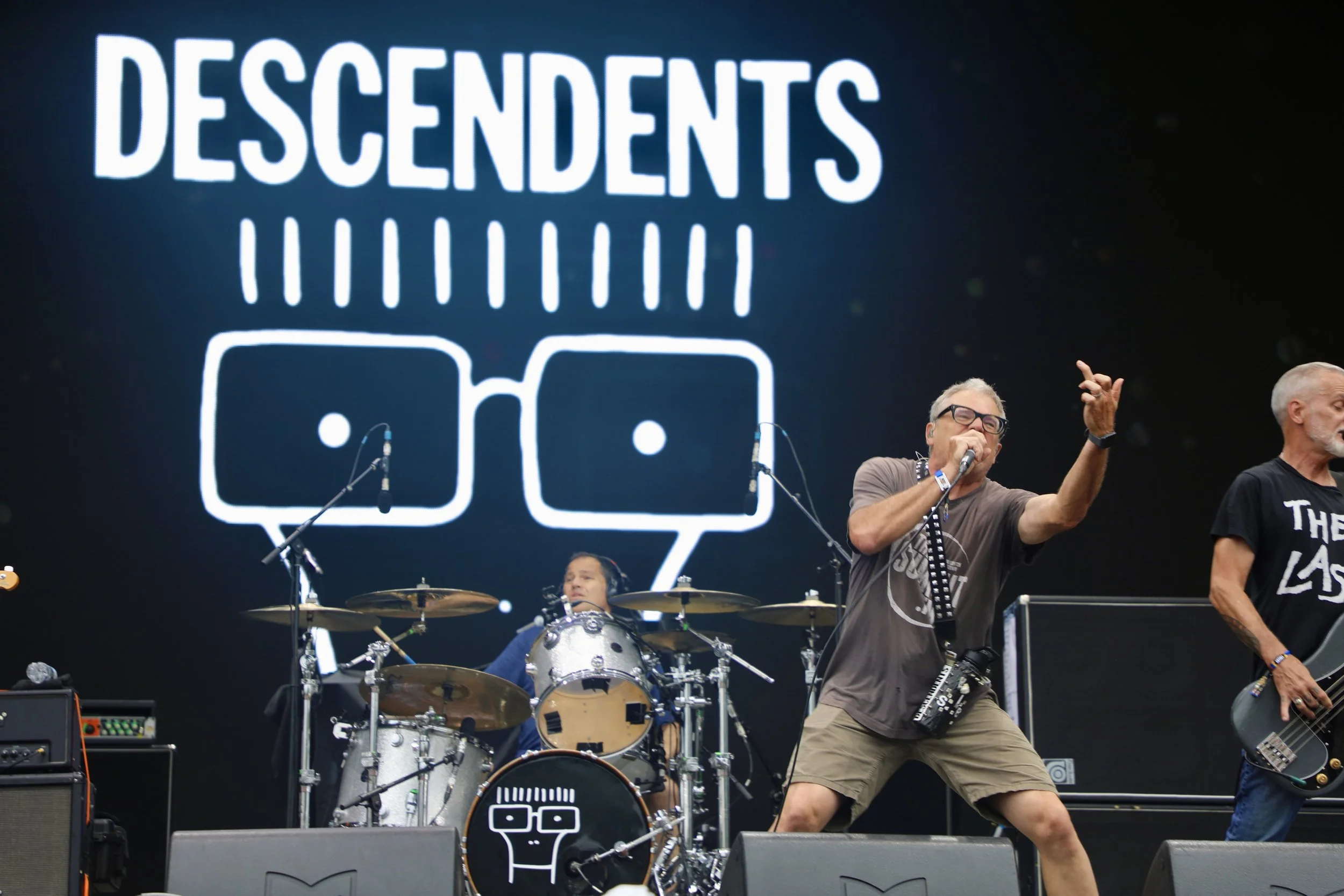
Article by Amelia Johnson and Maddi Roy // Photos by Jack Iboshi
Recap by Amelia Johnson
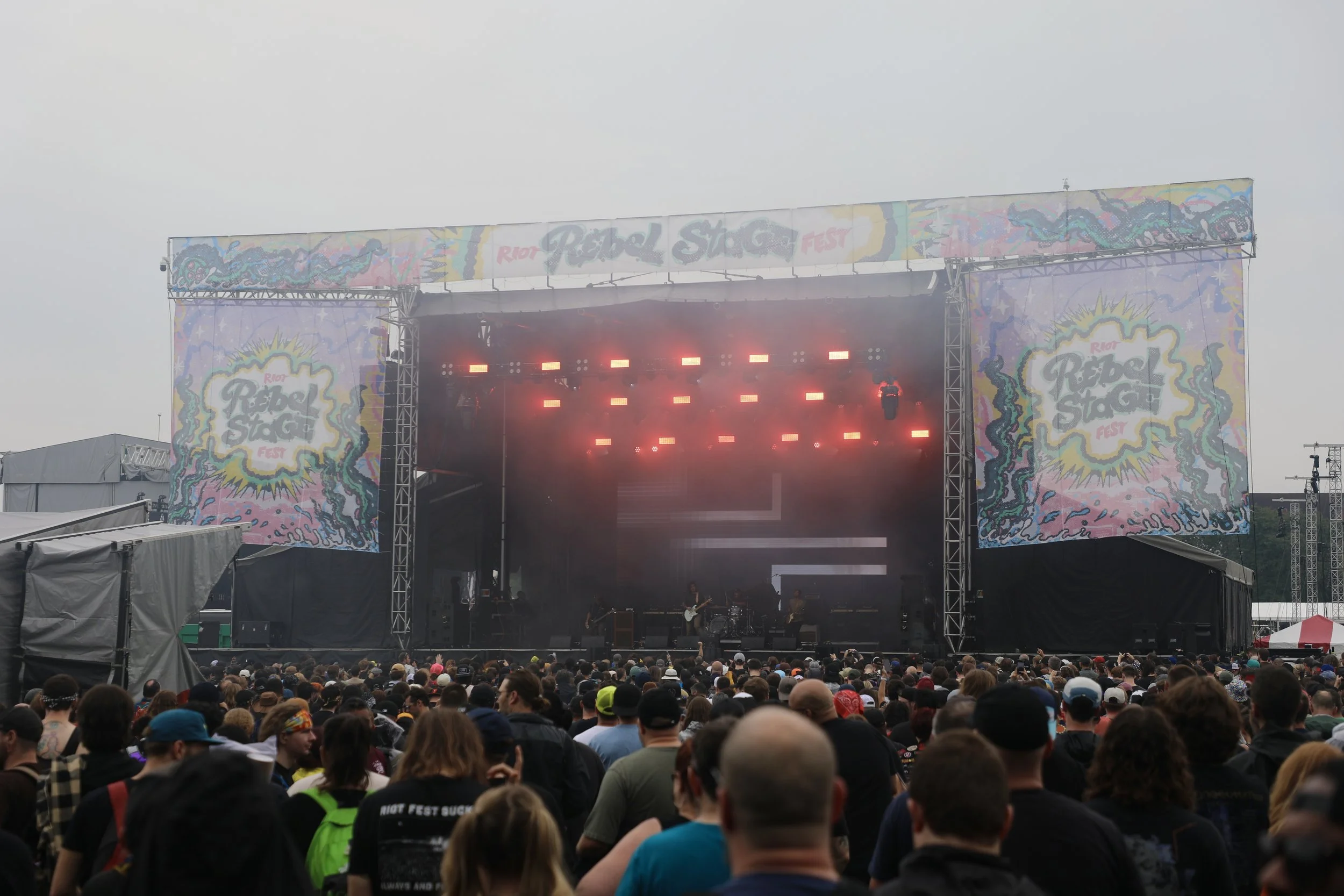
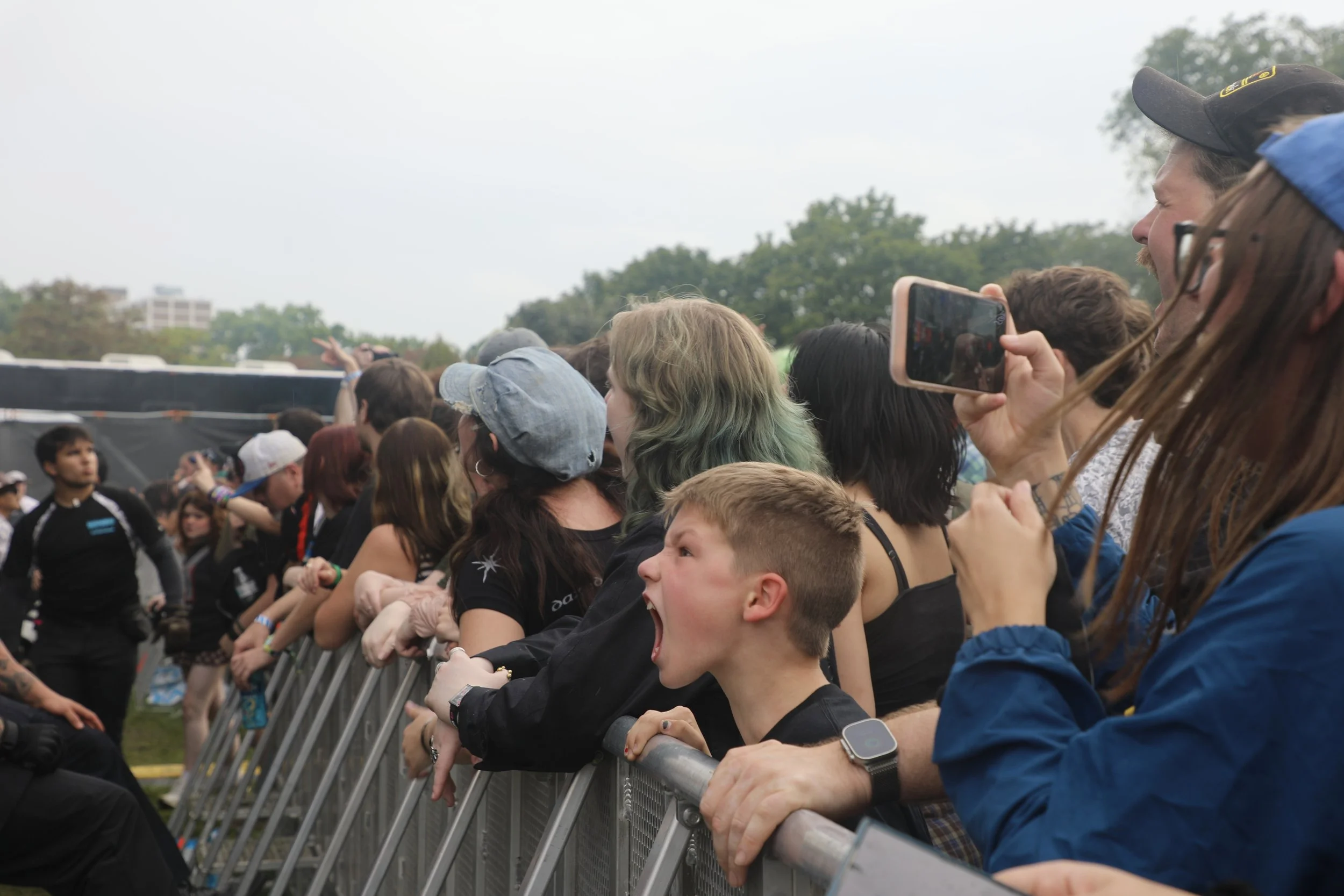
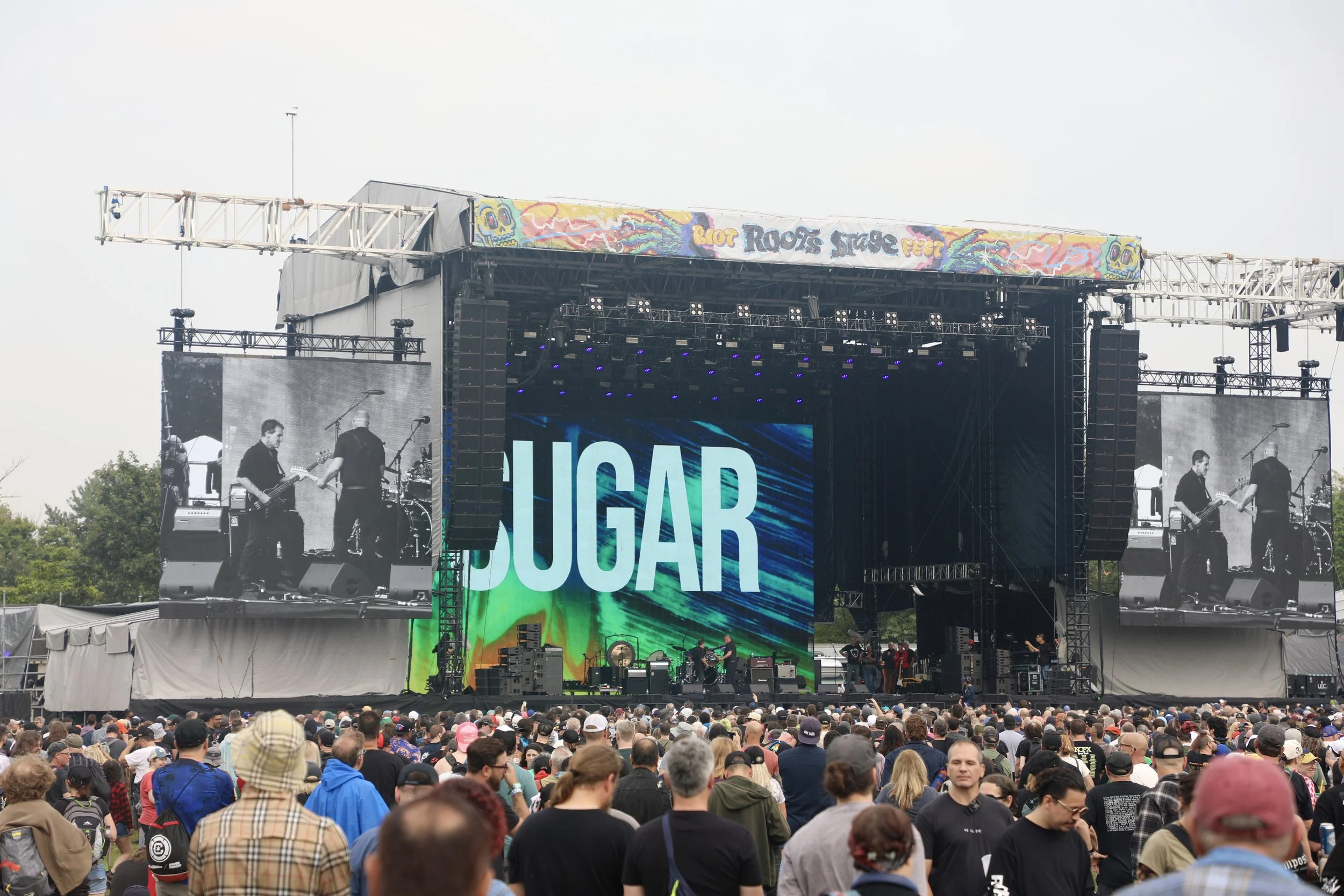
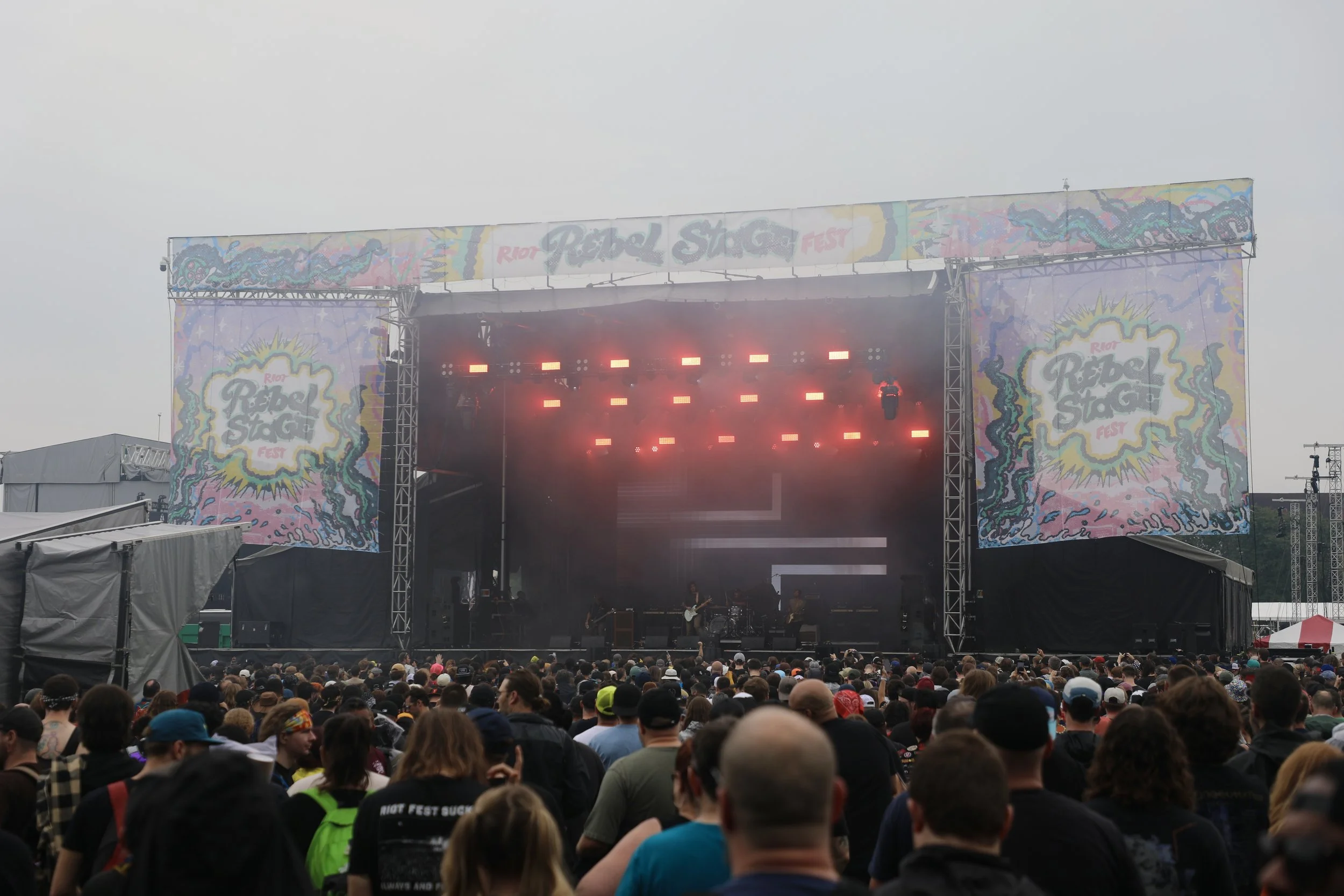
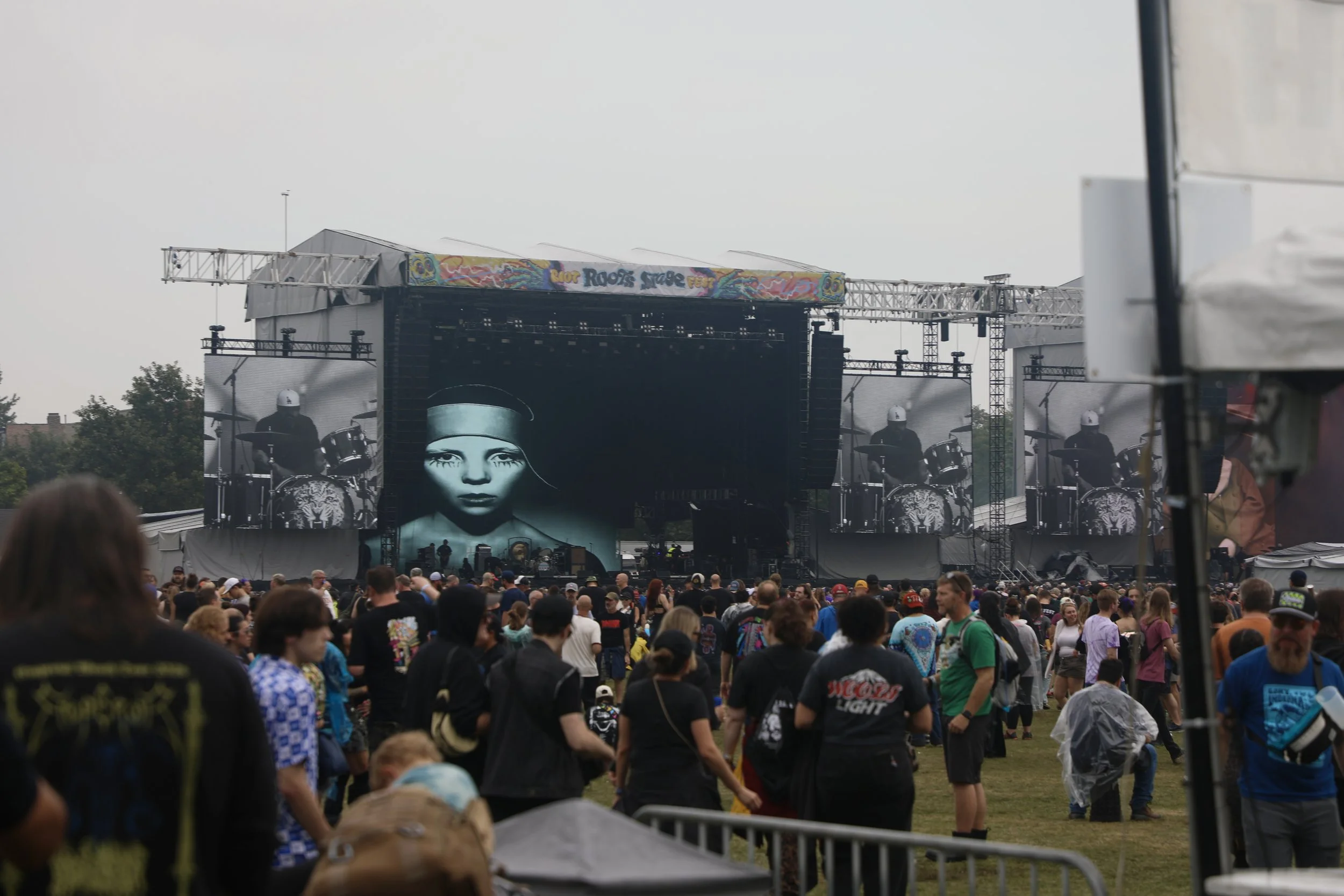
The clouds were dark and ominous, but Day 2 of Riot Fest was the furthest thing from gloomy. The moment you walked through the gates, the magnificent sound of rock and roll filled your ears. Although the weather could have easily ruined the experience, the audience seemed louder and more exhilarated than ever.
Walking into Riot Fest almost feels like leaping into a time machine. The music, the people, and even the environment carry pieces of the ’90s. At one point, the guitar riffs from Melt-Banana guitarist Ichiro Agata completely took over my brain and had me thinking about just how incredible live music can be.
At festivals, you truly go big or go home, especially when it comes to fashion. Coming into Riot Fest, I didn’t know what to expect from the style, but after being here for two days, the ’90s punk-rock influence is impossible to miss. From cut-off black tank tops to grunge-inspired piercings, the festival has felt like its own grunge fashion show.
More than anything, I loved seeing festivalgoers being creative and completely themselves. That freedom feels like an important part of Riot Fest. The festival has changed my perspective not only on fashion and music, but also on how short life can feel. Experiences like this remind you to take everything in and not miss a single moment.
Thrice
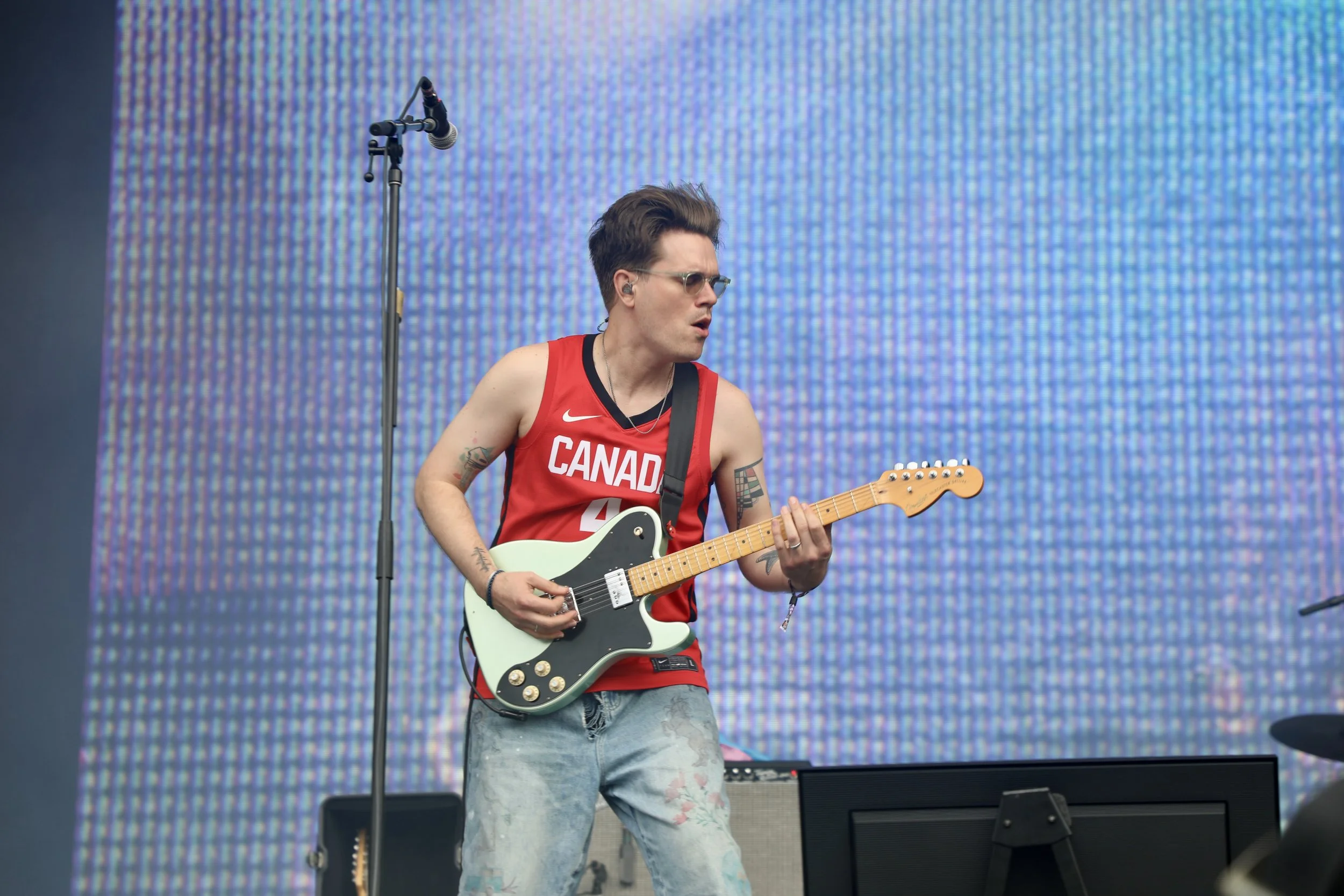
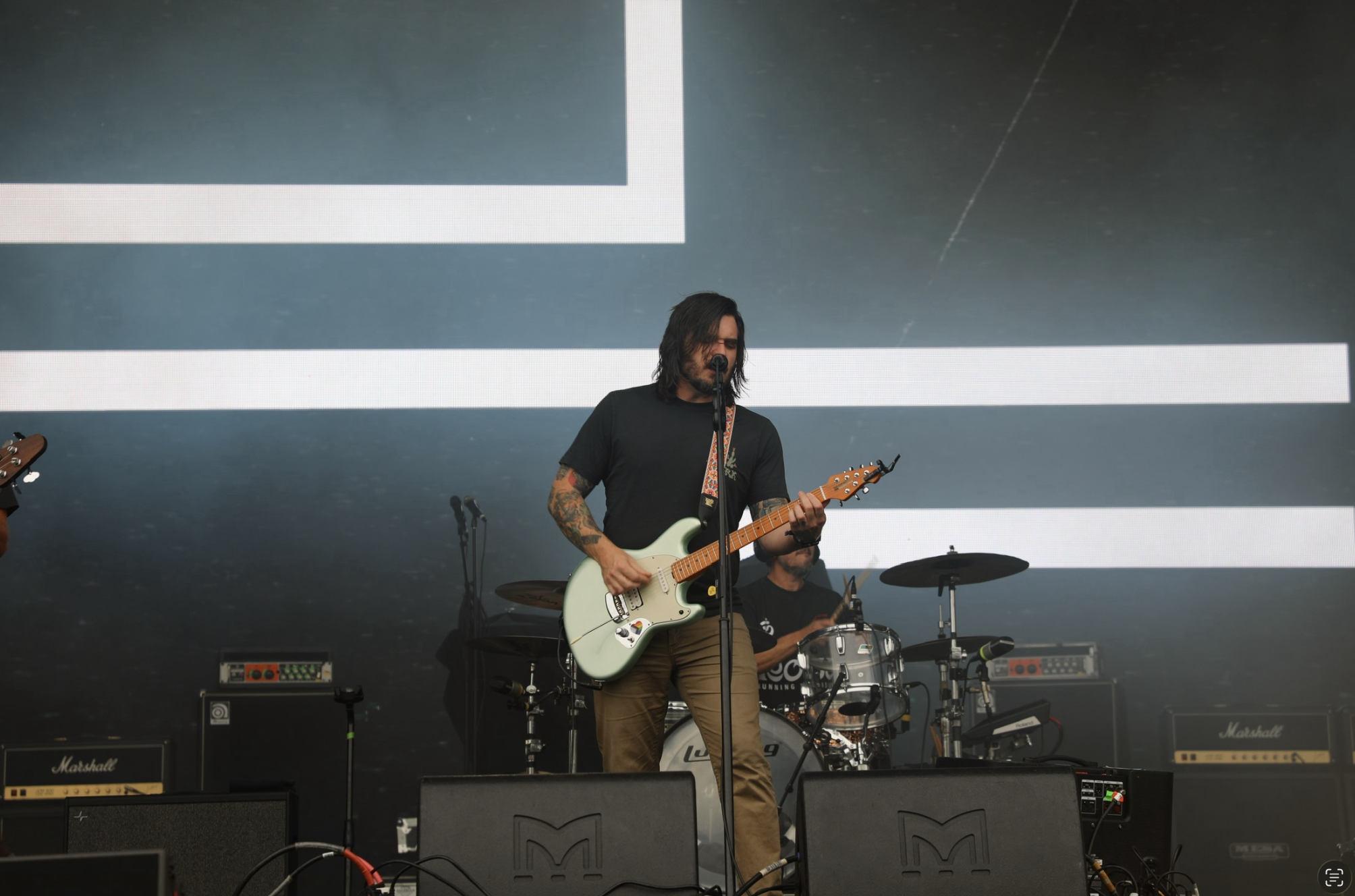
Through the whipping hair and powerful guitars, Thrice was truly a standout at Riot Fest. The members — vocalist and guitarist Dustin Kensrue, guitarist Teppei Teranishi, bassist Eddie Breckenridge, and drummer Riley Breckenridge — bounced across the stage and constantly interacted with one another and the audience, making it clear how much they still love creating music together. You could immediately see the bond between the members, and that connection carried into the music.
One visual detail that stood out was Kensrue’s baby-blue guitar, which looked especially striking alongside the electronic visuals covering the stage. The screens shifted between different colors, especially blues and reds, creating a bold contrast with the guitar. The band also broke into several vocal trios, with Teranishi and Eddie Breckenridge showing that they were incredible singers as well. Their voices blended naturally with Kensrue’s lead vocals and added another layer to the songs.
There was something emotional about experiencing Thrice live. Between the daunting guitar riffs and powerful vocals, their performance created a surprising sense of healing within the crowd. By the end, it felt like the band had genuinely made the audience feel something.
Descendents
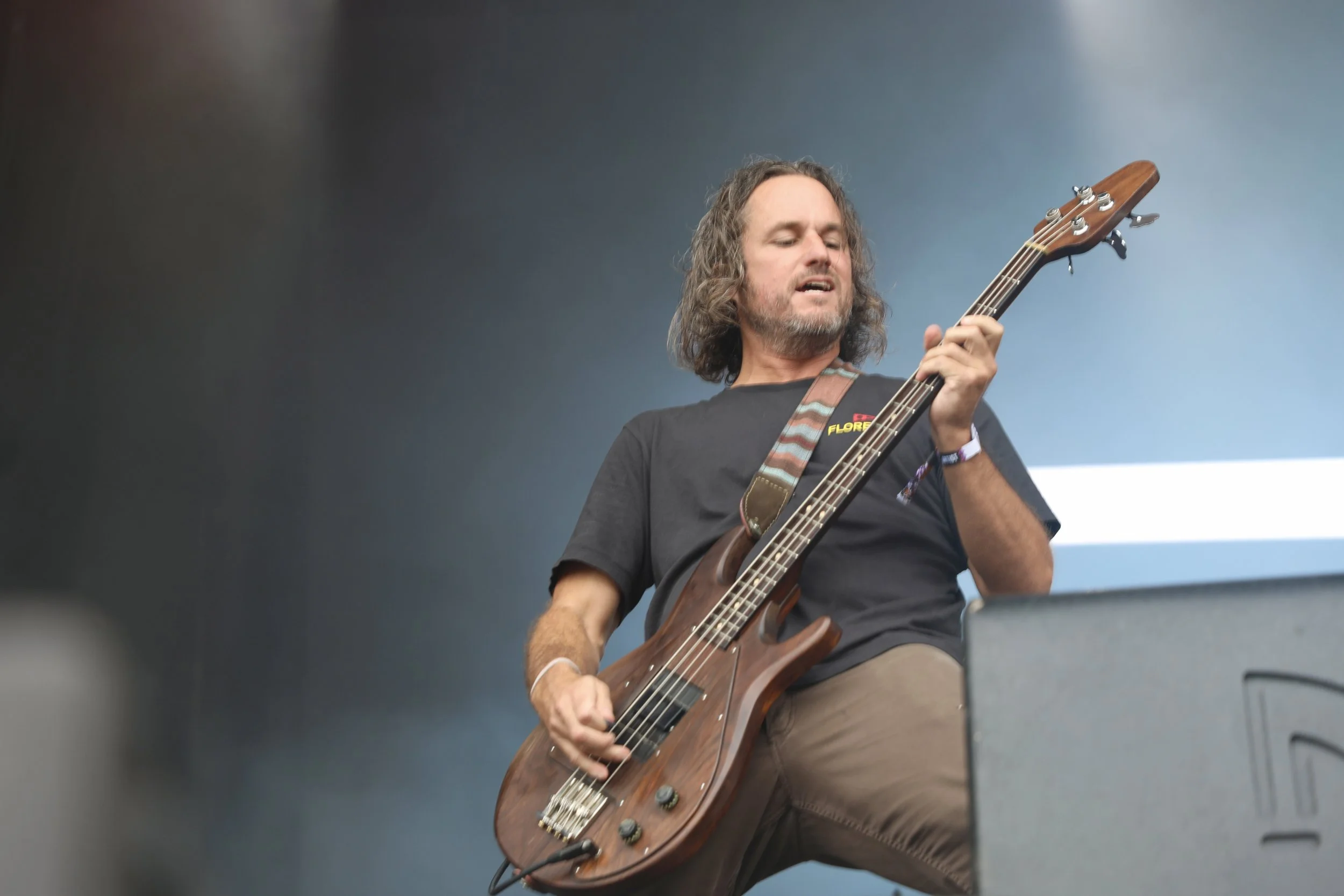
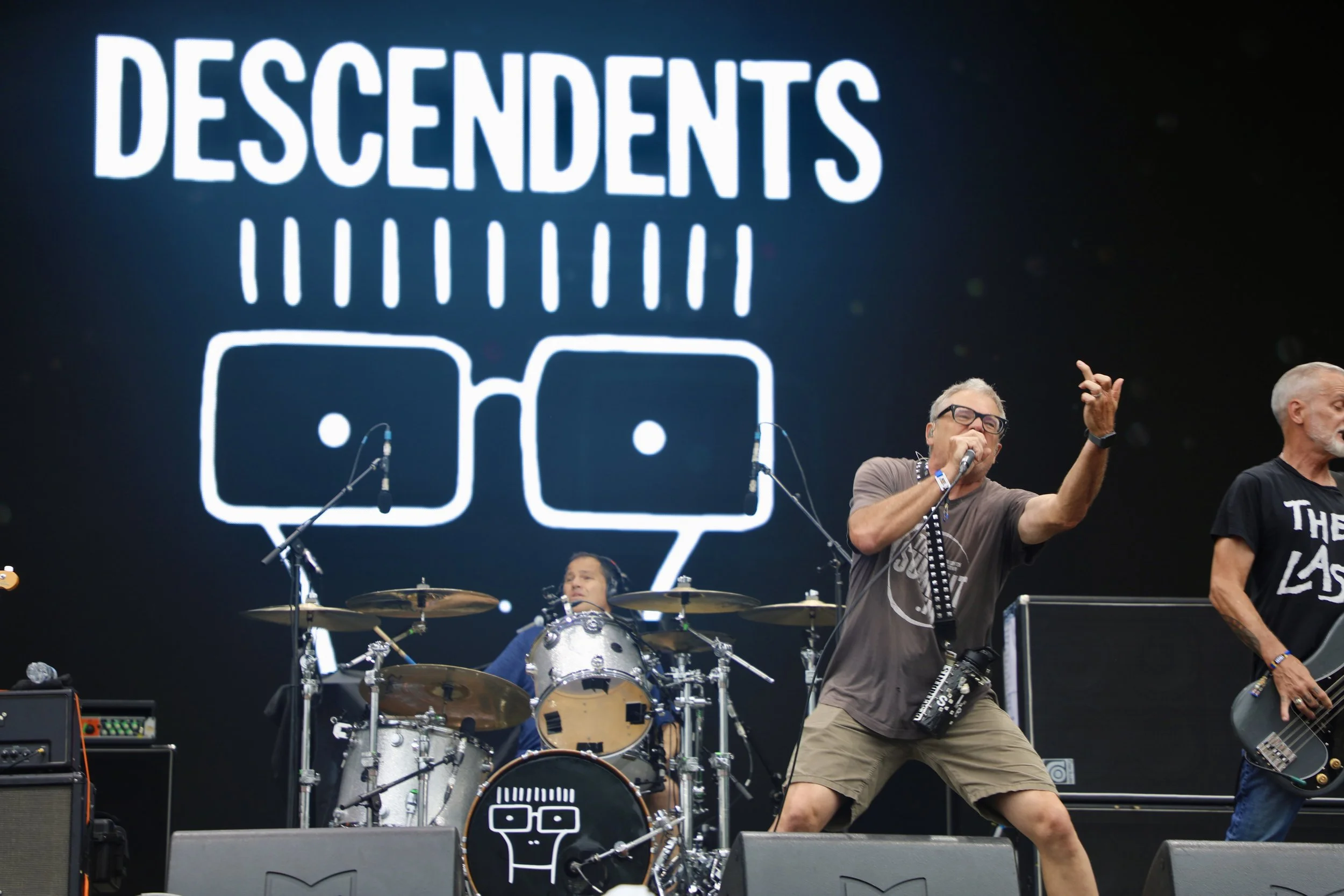
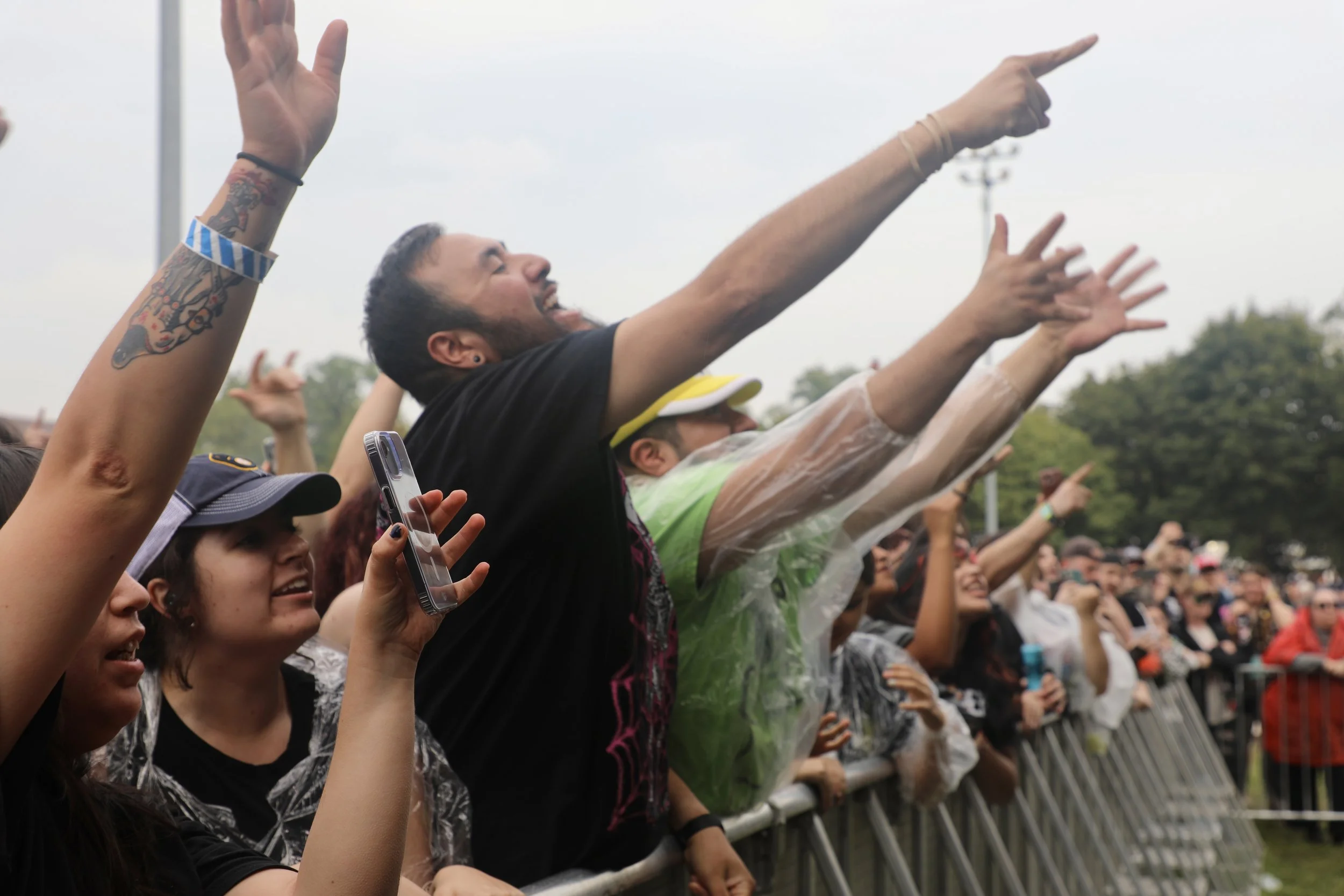
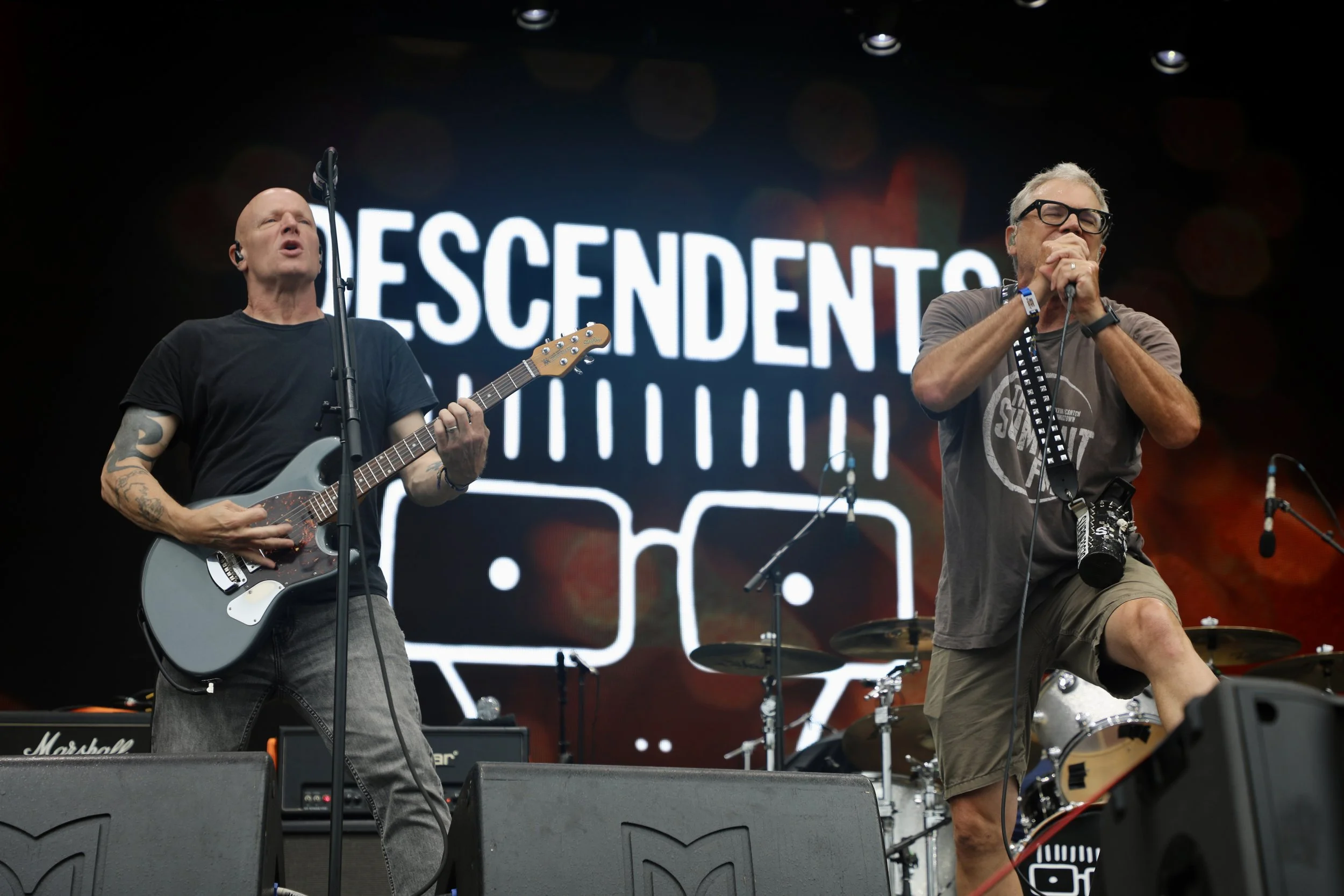
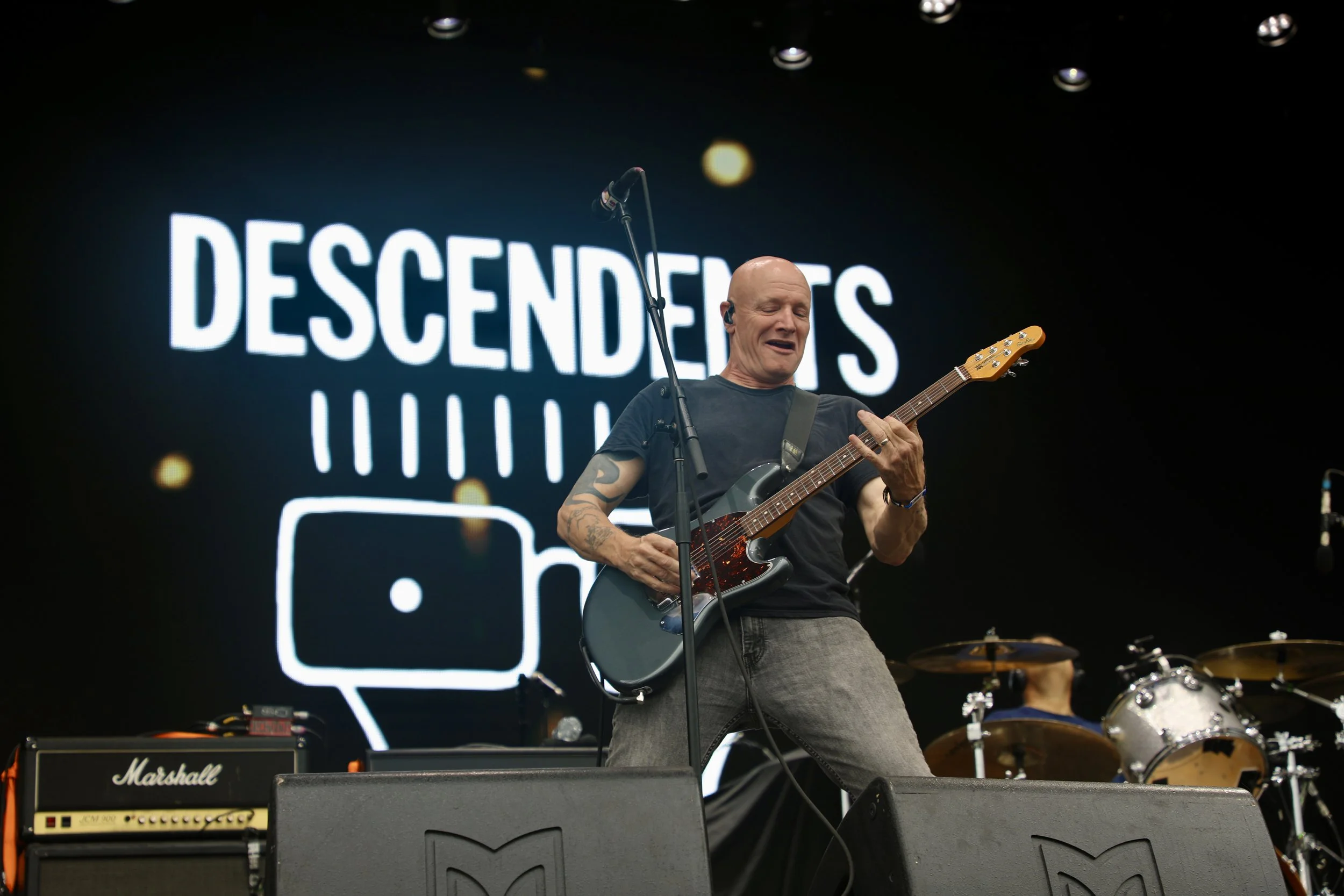
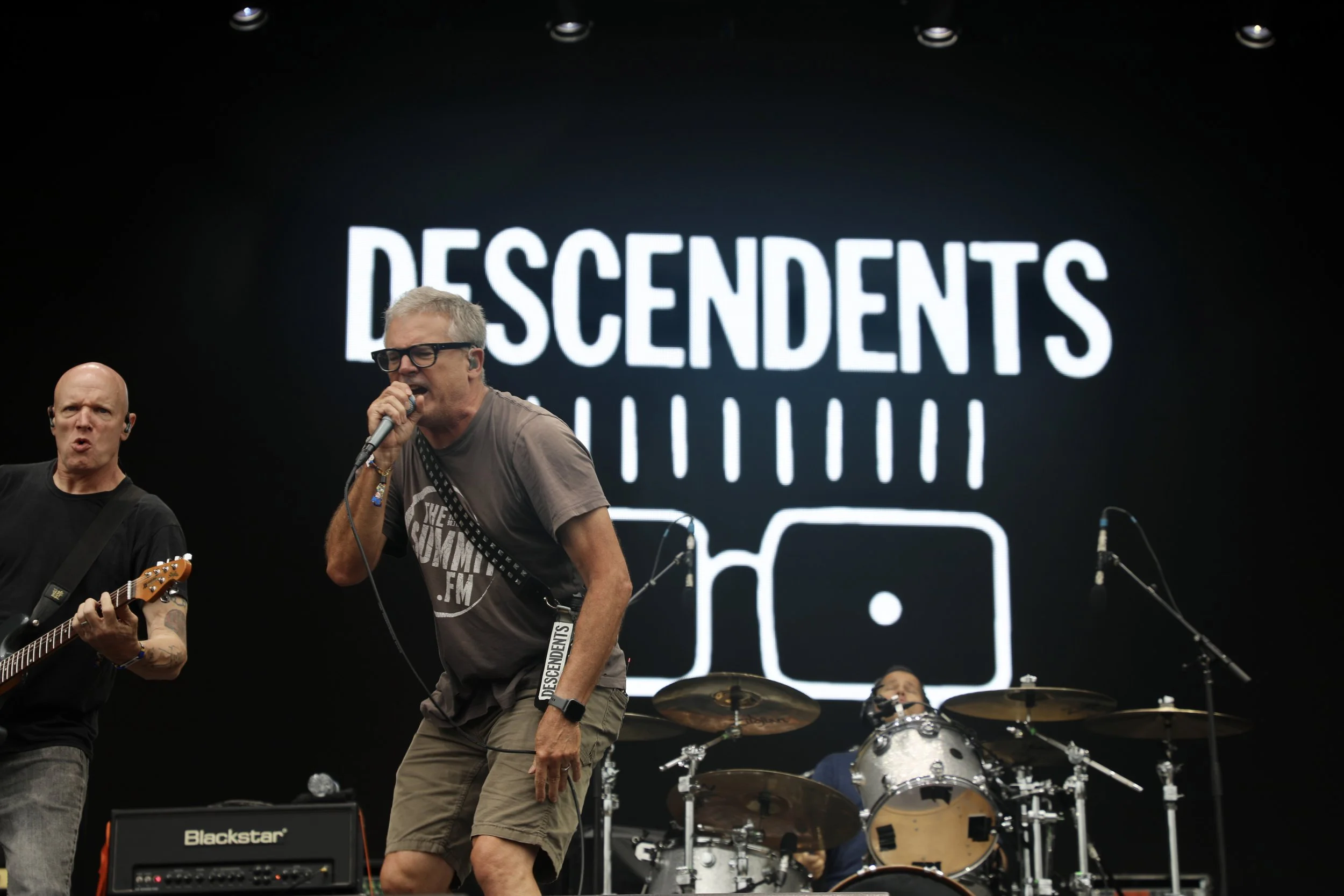
Descendents brought an incredible amount of energy to Riot Fest through their biggest songs, including “Everything Sucks Today.” The crowd screamed along and constantly begged for more. The smiles across the faces of vocalist Milo Aukerman, drummer Bill Stevenson, guitarist Stephen Egerton, and bassist Karl Alvarez reflected the entire performance: energetic, carefree, and fun.
At the same time, much of their music touched on ideas of justice, equality, and the struggles people experience in everyday life. Rock music has long been a way for artists to confront the ups and downs of the world, and Descendents continued that tradition. Throughout the performance, you could tell the audience connected with the music in different ways, whether through political issues, relationship problems, or personal struggles. Their performance showed how deeply a band can still impact an audience through music that makes people feel understood.
Bright Eyes
A voice comes from the stage, and soon you see Bright Eyes frontman Conor Oberst in the flesh. The weather was an inconvenience for everyone involved, including Bright Eyes, but nevertheless, they didn’t fail to impress the audience.
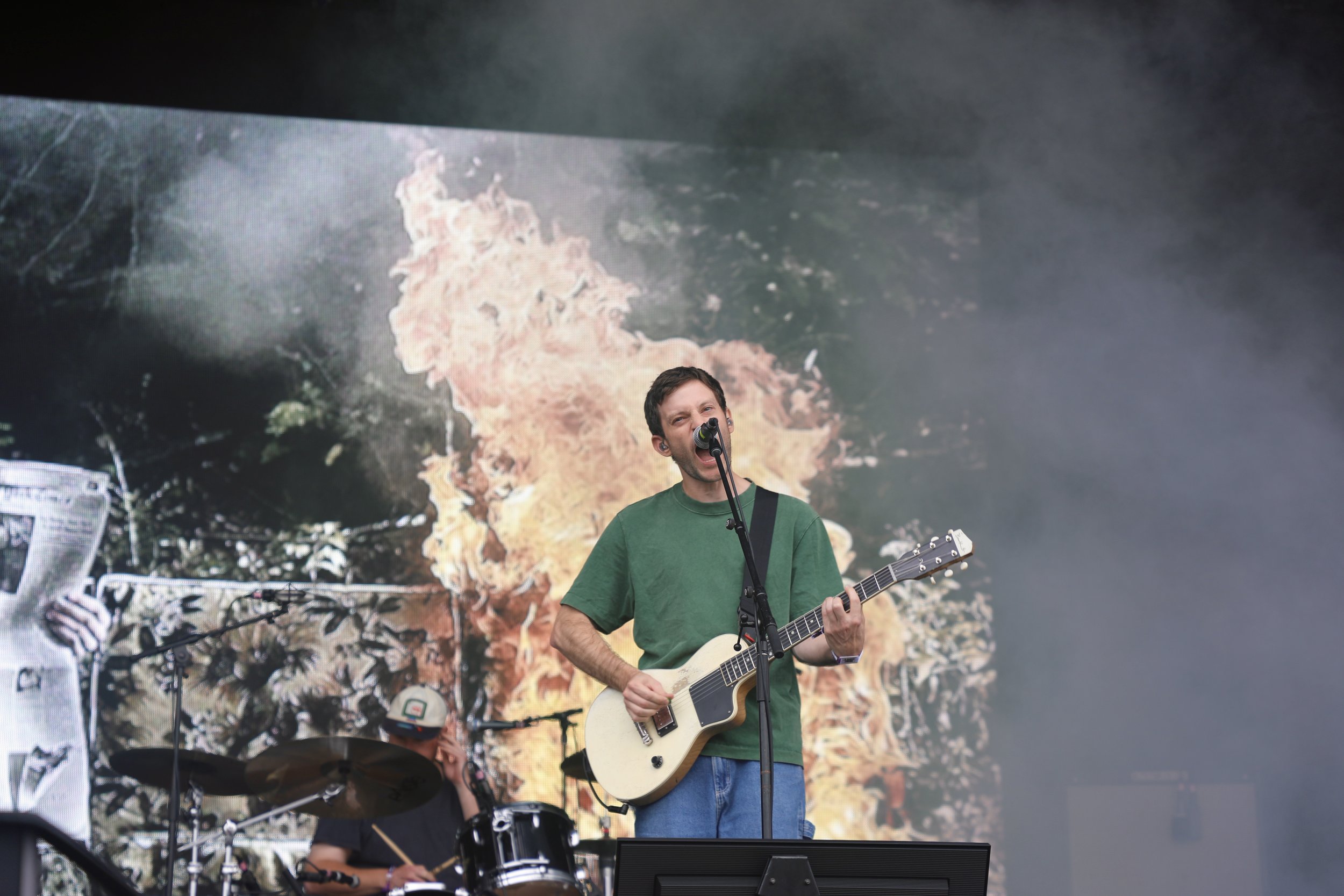
One interesting aspect of the performance was that Oberst kept a music stand with him onstage, almost like something you would see in a classical choir. It reflected the seriousness he brings to his music and how much he truly cares about his art. During the performance, Oberst also opened up about struggling with pneumonia, which brought a sense of reality to Riot Fest. Even the artists we look up to face personal struggles, and music can become a way to work through some of life’s hardest battles.
Recap by Maddi Roy
Angine de Poitrine
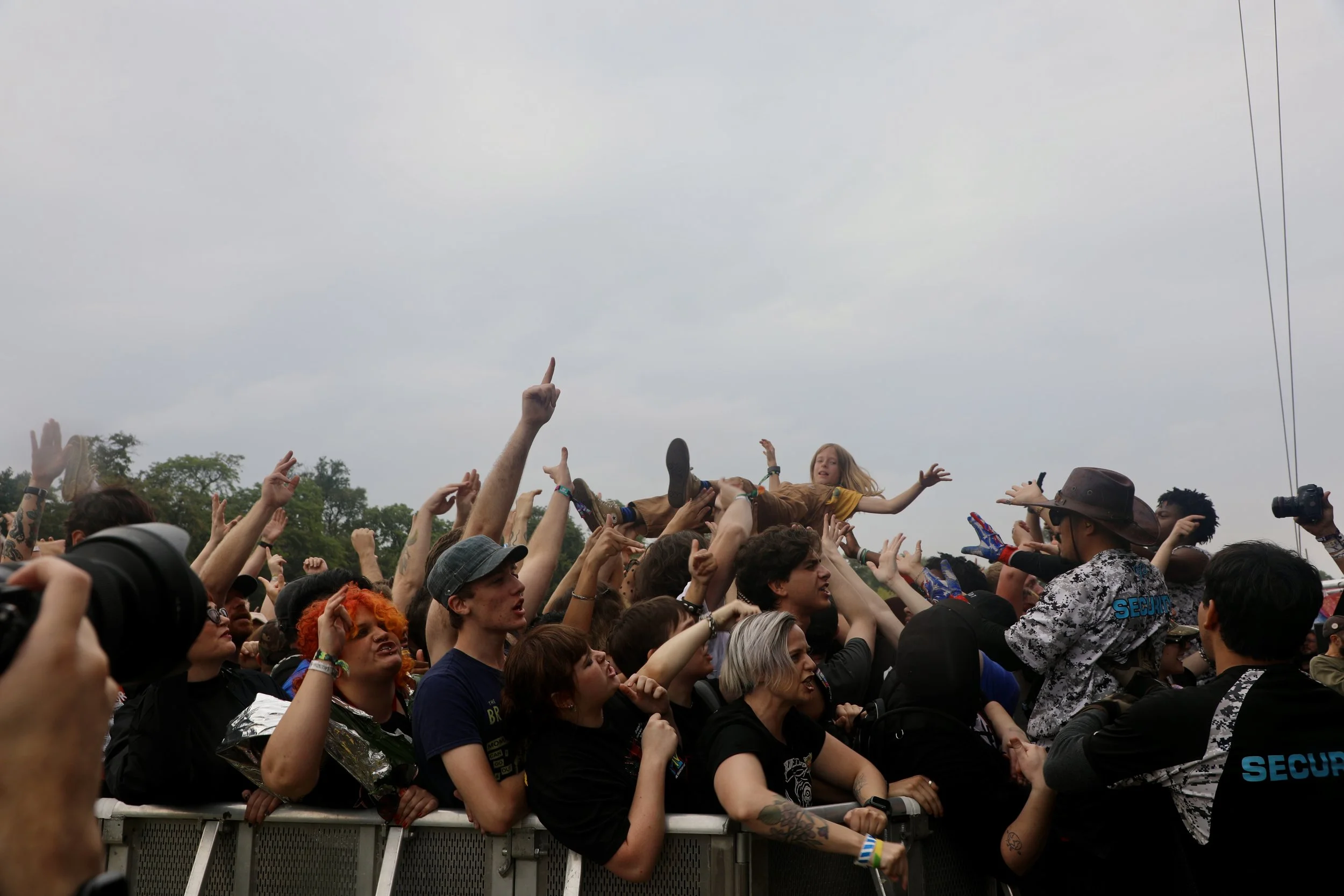
Angine de Poitrine’s music has been described as experimental, microtonal math rock, providing a listening experience like absolutely none other. However, far before they played their first notes, it became evident that the musical duo held incredible stage presence, considered far beyond unique. The two donned their usual eccentric, starkly monochromatic costumes, adorned with countless polka dots for their alien-like alter egos: Khn de Poitrine and Klek de Poitrine. Besides the music itself, everything about the pair’s performance was meticulously coordinated, justifying the die-hard fans who try to (but cannot quite) replicate their getups. The audience appeared to be a sea of polka dots, saturated with enthusiastic outfits and inflatable dice that were tossed around by the crowd. There was a clear sense of community amongst fans, which became more and more obvious as one ventured closer to the barricade.
Their set was only four songs long, yet each piece remained captivating through masterfully placed repetition that built up to melodic bridges and satisfying breakdowns. Incredibly easy to groove to, Angine de Poitrine’s performance and instrumentals brought an energy that sparked quite the mosh pit. At one point, a distinctly interpretative dance battle broke out, which proved to be quite captivating in its unusualness.
By the time their set was over, much of the crowd held up the band’s signature hand gesture, a triangle, chanting “One more song!” No words were spoken by Khn and Klek, at least none in a human language. As they finished their performance, nearby audience members turned to each other to revel in the awesome absurdity of what they had just experienced.